Skip to content
CANNA TICKER

A People's History of Cannabis

Introduction

The plant is older than the paperwork. It was medicine, crop, and in a few places an object of worship long before it was a crime. Note this page is history, not medical or legal advice, and that Ganja Leaks takes no industry money.
Ancient Roots

China and the Shennong tradition, the surgeon Hua Tuo using cannabis as an anesthetic around the years 140 to 208, medical use in ancient India, and Herodotus describing the Scythians inhaling cannabis vapor in the fifth century BCE.

The Anointing Oil Question

The Hebrew phrase kaneh bosm in Exodus is usually translated as sweet calamus, though a minority of scholars including Sula Benet argued it meant cannabis. We present the translation as contested.

On the archaeological side, the evidence is solid. In 2020 researchers found preserved cannabis residue on an altar at the Judahite shrine of Tel Arad, dated to about the eighth century BCE.

We report the archaeology and the translation debate separately and take no theological position.

Cannabis as Mainstream Medicine

William Brooke O'Shaughnessy introduced cannabis to Western medicine in the 1830s. More than two thousand cannabis medicines were available in American pharmacies before 1937, until newer drugs plus politics pushed the plant aside.

Hemp Built America

Paper itself was invented in China using hemp fabric smashed into sheets, with the earliest identified paper dating to the Western Han Dynasty around 200 to 150 BC, and the first paper mills in China and the Middle East in the 700s made hemp paper. The Gutenberg Bible in the 1450s and the 1611 King James Bible were printed on rag paper made largely from hemp and flax. The first and second drafts of the Declaration of Independence were written on Dutch hemp paper in the summer of 1776, though the final version is parchment. In 1765 two Virginia counties allowed people to pay their taxes in hemp.

George Washington

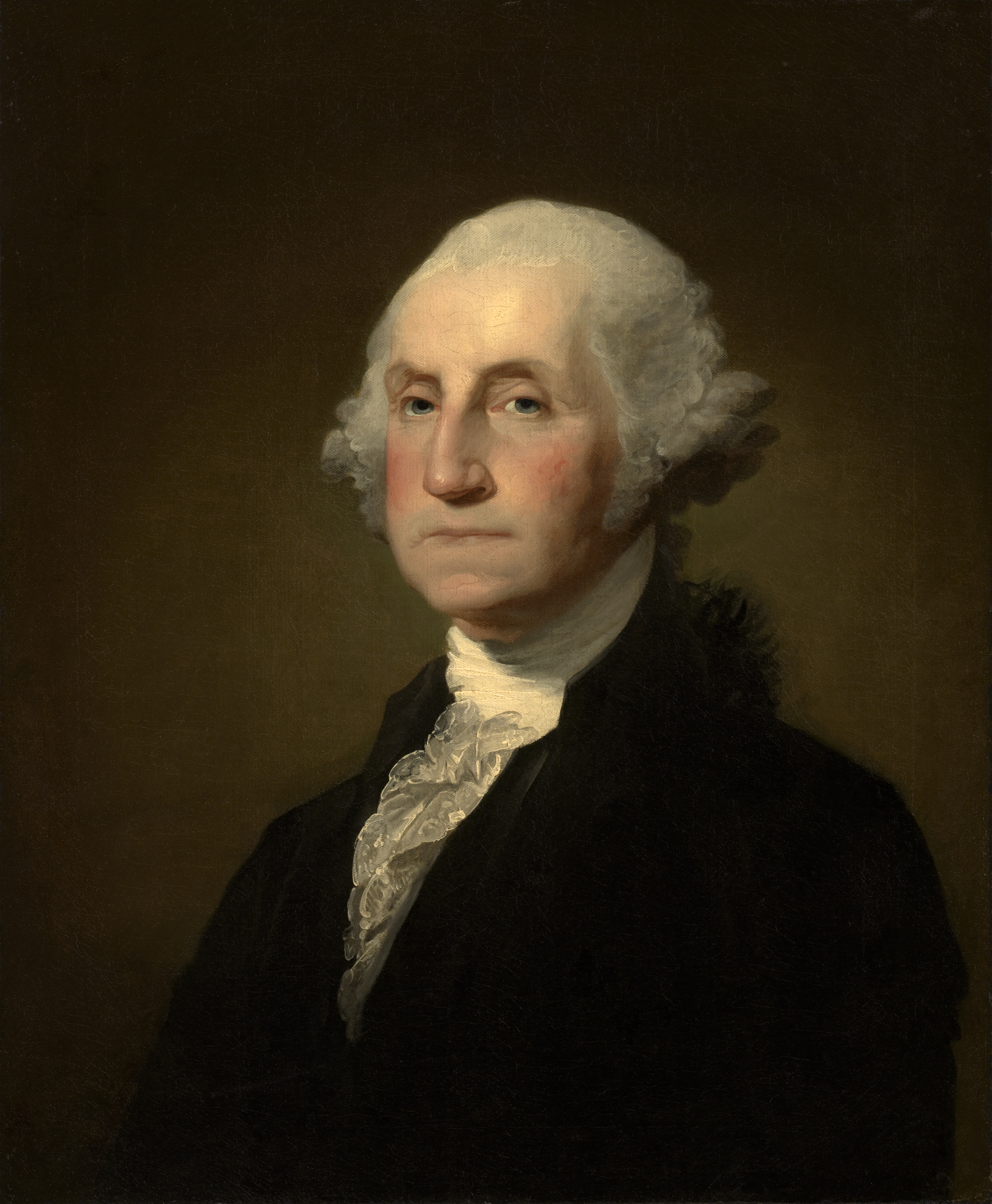
George Washington grew hemp at Mount Vernon and recorded it in his farm diary.

Thomas Jefferson

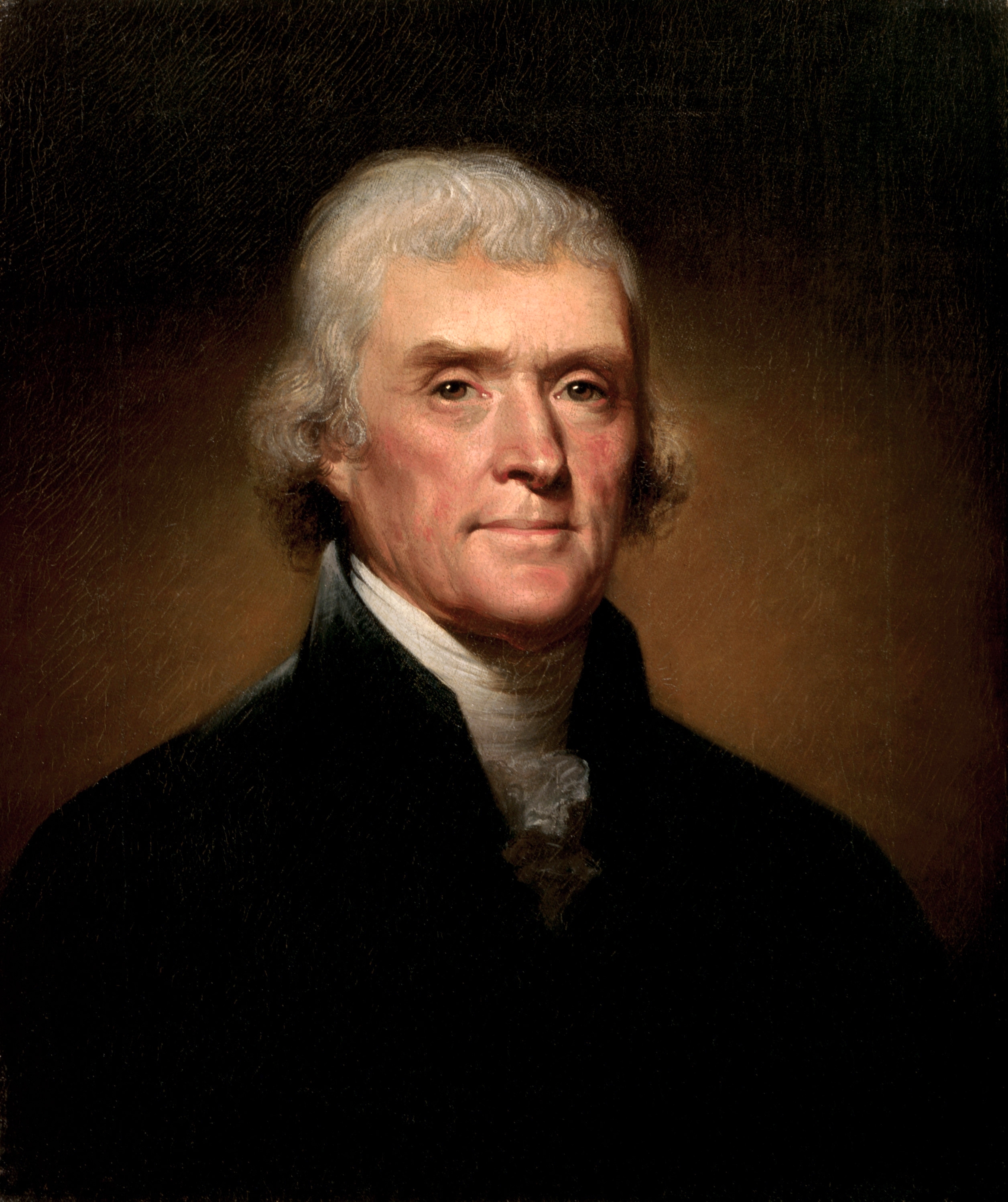
Thomas Jefferson improved the hemp brake and refused to patent it.

Washington and Jefferson both grew hemp on their farms, documented in their own farm journals and letters. Jefferson invented an improved hemp brake to separate fiber from stalk and refused to patent it because he believed the crop should be open to every farmer. Washington's farm diary for August 7, 1765 records him separating male from female hemp plants and regretting being rather too late about it, a detail modern growers find amusing, though farm historians note there were innocent fiber and seed reasons to do it.

To be honest about the myth: no document shows the founders smoking hemp, the famous smoking quotes are internet legend, and colonial fiber hemp was bred for stalks rather than smoke. The documented truth is impressive enough: by the U.S. Census of 1850 America counted 8,327 hemp plantations of at least 2,000 acres, not counting smaller family farms. The word canvas comes from cannabis, the sails and rigging of ships including the USS Constitution were hemp, and the covered wagons that went west wore hemp canvas.

The Machine That Changed Everything

In 1916 the U.S. Department of Agriculture published Bulletin No. 404, Hemp Hurds as Paper Making Material, by Dewey and Merrill, an official government study concluding that one acre of hemp could produce as much paper making material as about four acres of trees over the same period. In 1917 inventor George W. Schlichten patented the decorticator, U.S. Patent 1,308,376, a machine that stripped hemp fiber from the stalk mechanically and erased the hand labor bottleneck that had always held hemp back.

Harvesting machinery kept improving through the 1920s and 30s. In February 1938 Popular Mechanics declared hemp on the verge of becoming a billion dollar crop, the first agricultural product in history with that potential, and Mechanical Engineering ran its own glowing piece.

Then land the irony hard: by the time those articles hit the newsstands, hemp was already dead, because the Marihuana Tax Act had passed in September 1937, months before the billion dollar crop issue was even printed. The government's own agriculture department had called hemp a superior paper crop, a machine had just made it economical, and Congress outlawed it anyway.

How does that happen?

The Men Who Killed Hemp

William Randolph Hearst

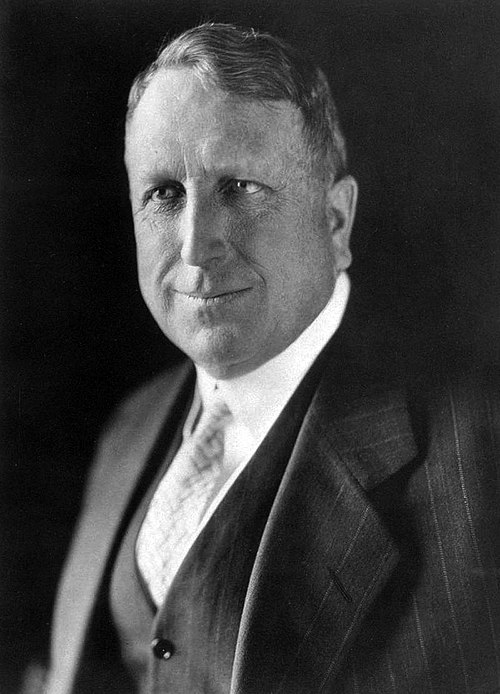
William Randolph Hearst, whose newspapers popularized the word marihuana.

The Newspaperman, William Randolph Hearst

Hearst owned the largest newspaper chain in America, had already helped ignite the Spanish American War of 1898 with the sensationalism that came to be called yellow journalism, and from the 1910s through the 1930s his papers ran story after story about marihuana, deliberately using the Spanish word instead of cannabis or hemp so readers would not realize the killer weed in the headlines was the same plant growing on their neighbor's farm. The stories leaned on racial fear: crazed Mexicans, jazz musicians, crimes blamed on the weed. His empire also sat on massive timber investments for newsprint.

Harry J. Anslinger

Harry J. Anslinger, first commissioner of the Federal Bureau of Narcotics, 1930 to 1962.

The Bureaucrat, Harry J. Anslinger

Anslinger was the first commissioner of the Treasury Department's Federal Bureau of Narcotics from 1930 to 1962. He got the job from Treasury Secretary Andrew Mellon, who happened to be the uncle of Anslinger's wife. When alcohol Prohibition ended in 1933 his bureau needed a mission and marihuana became it. He compiled what he called his gore file, a scrapbook of the most gruesome crime stories from the newspapers, very often Hearst's newspapers, attributed to marijuana with little or no evidence. Some shocking quotes attributed to Anslinger online cannot be traced to any document, so this page relies only on what is in the official record.

Andrew Mellon

Treasury Secretary Andrew Mellon, Anslinger's patron.

The Banker, Andrew Mellon

Mellon was Secretary of the Treasury, Anslinger's patron and in law, and one of DuPont's bankers.

The Chemical Giant, DuPont

DuPont patented nylon and new wood pulp paper processes in the exact same era, meaning timber and synthetic fiber interests had everything to lose from cheap hemp fiber and paper.

Reefer Madness, Funded by the Faithful

Reefer Madness poster

The 1936 film began life as a church funded morality tale called Tell Your Children.

The 1936 film where one puff leads instantly to madness was not produced by the government. It was originally financed by a church group under the title Tell Your Children, intended as a morality tale for parents. In 1938 exploitation filmmaker Dwain Esper bought it, spliced in lurid material, retitled it Reefer Madness, and toured it through grindhouse theaters, selling tickets to the very sensationalism the church group was trying to prevent.

In the early 1970s the film was rediscovered and became a midnight movie cult classic, screened by laughing college students, and critics have formally rated it among the worst films ever made. Similar education exploitation films like Marihuana in 1936 and Assassin of Youth in 1937 peaked exactly as the Marihuana Tax Act came before Congress.

Before the 1930s there was essentially no anti marijuana preaching in America, because congregants in the 1800s were buying cannabis tinctures at the pharmacy from respectable makers like Eli Lilly, Parke Davis, and Squibb, straight out of the U.S. Pharmacopeia, where cannabis remained until 1942.

The 1937 Hearing, From the Transcript

The Marihuana Tax Act hearings before the House Ways and Means Committee in April and May 1937 are a public document. Materials Anslinger submitted into the record described marihuana this way:

"The deleterious, even vicious, qualities of the drug render it highly dangerous to the mind and body… it operates to destroy the will… Its use frequently leads to insanity."

That was the caliber of the evidence: newspaper clippings, anecdotes, and assertions. Then the opposition: the American Medical Association sent its legislative counsel Dr. William C. Woodward, both a medical doctor and a lawyer, to oppose the bill. In 1937 the AMA opposed marijuana prohibition, because cannabis was in the U.S. Pharmacopoeia and American doctors had prescribed cannabis preparations for a century.

Woodward protested that the bill had been prepared in secret for two years without notifying the medical profession, and when the committee claimed marijuana was filling the prisons he answered from the record:

"No one has been produced from the Bureau of Prisons to show the number of prisoners who have been found addicted to the marihuana habit. An informed inquiry shows that the Bureau of Prisons has no evidence on that point."

The committee denounced him and curtly excused him. The bill passed, President Roosevelt signed it, and the tax stamps the law required were in practice almost never issued.

Who Benefited

Documented

DuPont patented nylon and new wood pulp processes in that era, timber and synthetic fiber interests had everything to lose from cheap hemp, Mellon was Anslinger's patron and in law and one of DuPont's bankers, Hearst held timber investments, the decorticator had just made hemp competitive, and Congress outlawed the competitor months before its billion dollar crop coronation.

Circumstantial

Nobody has ever produced a memo saying ban hemp to protect our investments. Jack Herer's book The Emperor Wears No Clothes assembled much of this history and argued the conspiracy was deliberate. Maybe it was, or maybe it was a perfect storm of racism, empire building bureaucrats, yellow journalism, and industries that saw which way the wind was blowing and did not lift a finger to stop it.

Either way the result is not in dispute: a plant the government's own agriculture department called a superior paper crop was banned on evidence its own witnesses called nonexistent, over the objection of the American Medical Association.

The Government's Own Studies

The 1944 La Guardia Committee Report and the 1972 Shafer Commission both investigated cannabis. Both contradicted the public panic, finding the dangers overblown, and both were rejected by officials invested in prohibition.

Schedule I and the Modern Turn

Richard Nixon

President Nixon placed cannabis in Schedule I in 1970 and ignored his own commission's advice.

In 1969 the Supreme Court struck down the Marihuana Tax Act as unconstitutional because complying with the tax forced self incrimination, and the man who took that case to the Supreme Court and won it 9 to 0 was Timothy Leary. Congress responded in 1970 with the Controlled Substances Act under President Nixon, skipping the tax charade and placing marijuana in Schedule I, a category for drugs with no accepted medical use, stricter than the one cocaine landed in.

Schedule I was supposed to be temporary pending the scientific review Nixon commissioned, the Shafer Commission, which came back recommending decriminalization. Nixon ignored it and the temporary placement lasted more than five decades. Years later Nixon's domestic policy chief John Ehrlichman told a journalist that the administration could not outlaw being antiwar or being Black, but by associating hippies with marijuana and Black Americans with heroin and criminalizing both heavily, they could disrupt those communities. Defenders of the drug war have disputed his framing, and we let readers weigh it.

The modern turn began with California legalizing medical use in 1996, followed by Colorado and Washington opening adult use in 2012. Florida approved Amendment 2 in 2016 with about seven in ten voting yes, leading up to the 2026 move of state licensed medical cannabis to Schedule III.

The Modern Prohibitionists: Private Money Against Legalization

Mel Sembler

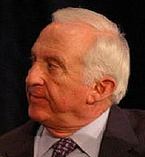
Mel Sembler (1930 to 2023), the Florida developer whose foundation and donations helped bankroll the fight against marijuana legalization.

Prohibition did not end with Harry Anslinger. It found new patrons. If the 1937 ban had industrial backers who profited from keeping the plant illegal, the modern fight against legalization has had wealthy private patrons of its own, and one of the most influential lived right here in Florida.

Mel Sembler, who lived from 1930 to 2023, was a St. Petersburg shopping center developer, a major Republican fundraiser who served as finance chairman of the Republican National Committee, and a United States ambassador to Australia and later to Italy. He was, by any measure, a powerful and well connected man.

In 1976, Sembler and his wife Betty founded Straight, Inc., a chain of adolescent drug treatment programs that eventually passed more than twelve thousand young people through its doors. Straight became the subject of numerous lawsuits from former participants who described harsh and abusive treatment. Juries agreed in more than one case: a former participant named Fred Collins won a false imprisonment verdict against the program in 1983, and another, Karen Norton, won a separate award in 1990. The programs eventually closed under the weight of that litigation and controversy.

The organization did not disappear so much as change clothes. Its successor became the Drug Free America Foundation, a leading anti drug and anti legalization advocacy group whose advisory board has included former Florida Governor Jeb Bush. Through that foundation and his own considerable checkbook, Sembler became one of the most influential private funders of the campaign against marijuana legalization in the country, including organized opposition to Florida's own medical marijuana efforts.

We include him here for the same reason we included the industrialists of 1937. The official story of prohibition is always about protecting the public. The fuller story, the one you find in the court records and the campaign finance filings, is usually also about money, power, and a few determined people with the means to shape the law. Readers can weigh which parts are which. These are matters of public record, the lawsuits named above were decided in open court, and Mr. Sembler died in 2023.

Sources

Portions of this page are adapted, with permission, from Nate Jurewicz's forthcoming book What Would Jesus Do About Weed?

Get the next Ganja Leaks investigation + our free public-records guide.