
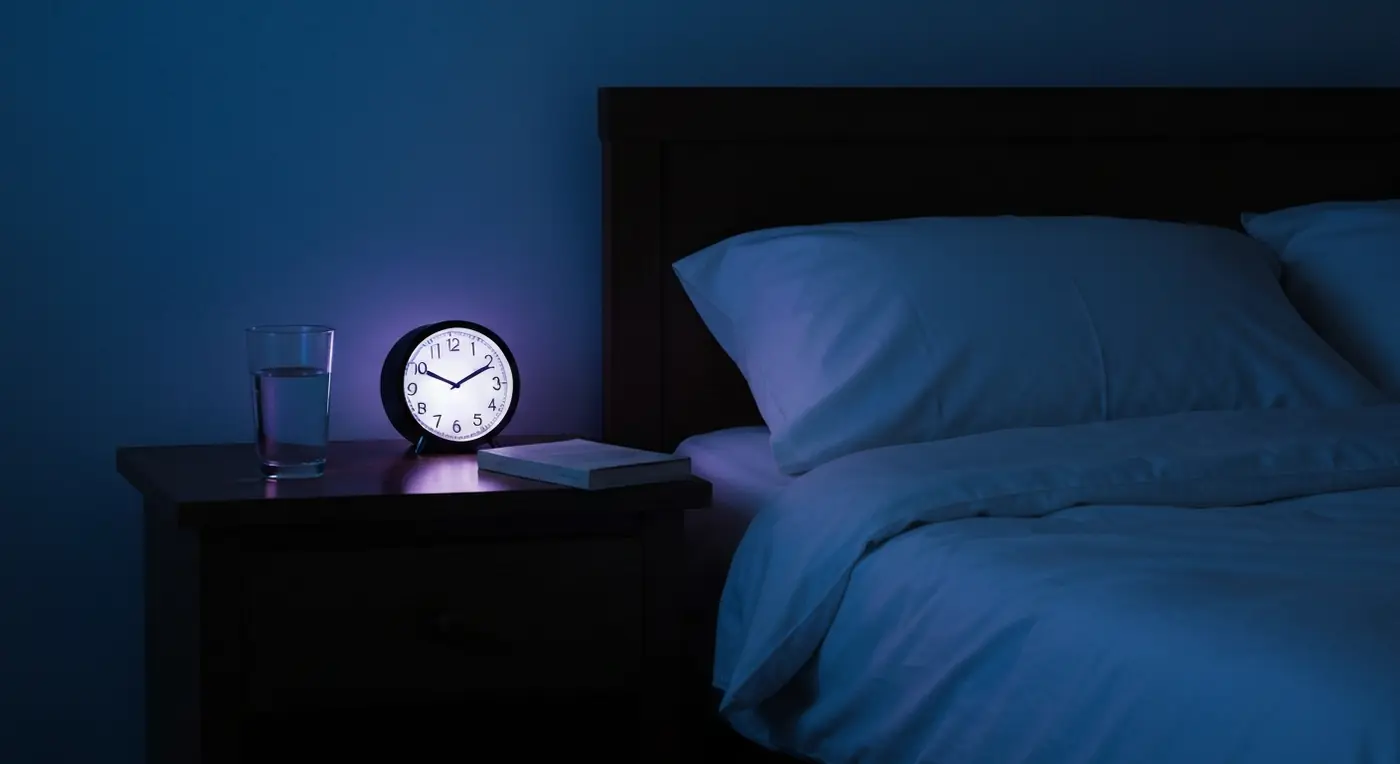
Sleep is the single most common reason people say they reach for cannabis, especially older adults. So it is fair to ask a simple question. Does it actually work? The honest scientific answer is that the evidence is promising in places, thin in others, and more complicated than the marketing suggests.
A useful recent data point came in October 2025, when researchers reported that cannabis formulations dominant in THC and in a lesser known compound called CBN, rather than CBD, were associated with improved sleep quality. That is notable because CBD gets most of the wellness attention, yet in that analysis it was not the star of the sleep story.
CBN, short for cannabinol, is having a moment in sleep products, and the science is racing to catch up with the marketing. A formal clinical trial known as the CUPID study was designed to test CBN at measured doses against a placebo for people with insomnia. That kind of controlled trial is exactly what the field has been missing, because a lot of sleep claims rest on surveys and testimonials rather than rigorous comparison.
There are real cautions worth stating plainly. Reviews of the wider research find that the quality of sleep studies varies a lot, and that cannabis can change the architecture of your sleep, not just the amount of it. Regular heavy use can also build tolerance, so the dose that knocked you out in January may do very little by June, which can push people toward more THC rather than better sleep.
The grounded summary is this. Some people clearly sleep better with certain cannabis products, the emerging science points more toward THC and CBN than toward CBD for sleep specifically, and the strongest trials are only now being run. Treat bold promises on a package with the same suspicion you would treat any product that claims to fix a complex human system with one ingredient.
This article summarizes published research and is not medical advice.


 By The Canna Banana